Residential & Commercial Pest Control
Corpus Christi, TX & Surrounding Area

bbb logo
credit card logos

Checks & Cash

Call or Text:
(361) 533-0748

Discounts for Law Enforcement, Military, Fire & Civil Employees!
  1. Why Do Pests Keep Coming Back After Treatment?

    Few things are more frustrating for a homeowner than paying for pest treatment, seeing the problem improve, and then discovering ants, roaches, spiders, rodents, or other pests again a few weeks later. It is easy to assume that the treatment did not work, but recurring pest activity often has a more complicated explanation.

    For homeowners in Corpus Christi and throughout South Texas, the local climate can make pest control particularly challenging. Warm temperatures allow many pests to remain active for much of the year, while humidity and moisture can create favorable conditions around homes. Coastal properties may also deal with environmental conditions that encourage pests to seek shelter indoors.

    The good news is that recurring pests are often a sign that something else needs to be addressed. Effective pest management is usually about more than eliminating the pests you can see. It involves identifying why they are entering, where they are nesting, and what conditions are allowing them to survive.

    pest

    The Treatment May Have Killed Pests Without Removing the Source

    One of the most common reasons pests return is that treatment addresses the visible infestation but not the source.

    For example, spraying ants that are traveling across a kitchen counter may eliminate the workers you see, but the colony may remain nearby. Similarly, treating visible cockroaches does not necessarily eliminate eggs, harborages, or access points elsewhere in the structure.

    The same principle applies to other pests. If the conditions supporting an infestation remain unchanged, new pests may eventually replace the ones that were eliminated.

    This is why professional pest management often focuses on inspection and prevention as well as treatment.

    South Texas Weather Can Keep Pest Pressure High

    Corpus Christi’s warm coastal climate creates conditions in which many insects can remain active for extended periods. Unlike colder regions where winter can dramatically reduce pest activity, South Texas homeowners may encounter pest problems during much of the year.

    Heat and humidity can influence insect activity, while rainfall can push some pests toward buildings in search of shelter.

    Moisture is particularly important. Leaky plumbing, clogged gutters, standing water, damp crawl spaces, poorly draining areas, and overwatered landscaping can all contribute to conditions that attract certain pests.

    The Texas A&M AgriLife Extension provides science-based information on insects, integrated pest management, and environmental conditions affecting pests in Texas.

    breaking pest control

    Your Home May Have Entry Points You Have Not Noticed

    Even after professional treatment, pests can return if they have easy access to the home.

    Small openings around pipes, utility lines, doors, windows, vents, roof penetrations, and foundation areas can provide convenient entry points.

    Some pests require surprisingly little space to get inside. A deteriorated door sweep or gap around a pipe may be enough for insects to enter repeatedly.

    Homeowners should inspect areas such as:

    • Gaps around plumbing and utility penetrations
    • Damaged window screens
    • Cracks around doors and windows
    • Gaps beneath exterior doors
    • Openings around vents
    • Cracks or deteriorated areas around the foundation

    Sealing these openings can be an important part of long-term pest prevention.

    Food and Water May Be Keeping Pests Around

    Pests need basic resources to survive: food, water, and shelter.

    A home does not have to be dirty to provide those resources. Small amounts of food residue, pet food, crumbs, garbage, moisture, or accessible water can be enough for certain pests.

    In kitchens, check around appliances, under cabinets, behind refrigerators, and inside pantry areas. Outdoors, pet bowls, garbage containers, fallen fruit, grills, compost, and outdoor food storage can also attract pests.

    For South Texas homeowners, water management deserves special attention. Outdoor faucets, irrigation systems, air-conditioning condensation, and areas where water collects around the foundation can create moisture sources.

    Reducing these resources can make the property less attractive to pests.

    Landscaping Can Create a Bridge Into Your Home

    Your yard can unintentionally make it easier for pests to reach your house.

    Trees and shrubs touching the roof or exterior walls can create pathways for insects and other pests. Thick vegetation next to the foundation can also provide hiding places and moisture.

    Mulch, leaf debris, stacked firewood, and dense vegetation can create additional shelter.

    This does not mean homeowners need to remove all landscaping. Instead, vegetation should be maintained so that it does not create unnecessary contact with the structure.

    In Corpus Christi, where homeowners often value outdoor living spaces and landscaping, keeping plants managed around the structure can be a practical part of pest prevention.

    Some Pest Treatments Require More Than One Visit

    Another reason pests appear to return is that certain infestations cannot realistically be resolved with a single treatment.

    Depending on the pest, its life cycle, nesting location, and severity of the infestation, follow-up treatments may be necessary.

    Some pests reproduce quickly, while others may remain hidden in inaccessible areas. A treatment can dramatically reduce visible activity without immediately eliminating every stage of the pest population.

    This is one reason homeowners should follow the pest professional’s recommended treatment and monitoring schedule rather than assuming that seeing one or two pests means the treatment has completely failed.

    Pest Eggs and Hidden Harborages Can Complicate Treatment

    Many pests spend much of their time where homeowners cannot see them.

    Cockroaches may hide behind appliances or inside wall voids. Ant colonies may be located outdoors or beneath structures. Rodents can occupy attics, crawl spaces, garages, and wall cavities.

    Eggs can also remain protected in areas that are difficult to reach with conventional treatments.

    The important question is not simply, “Did the spray kill the bugs?” It is, “Where are the pests coming from, and what conditions are allowing them to remain?”

    A thorough inspection can help answer that question.

    spraying pesticide

    Different Pests Require Different Strategies

    There is no universal treatment that works equally well for every pest.

    Ants, termites, cockroaches, mosquitoes, rodents, spiders, and other pests have different behaviors, nesting habits, food sources, and entry patterns.

    For example, eliminating visible ants without identifying the colony may provide only temporary relief. Rodent control may require exclusion work in addition to trapping or removal. Mosquito management may require attention to standing water and outdoor breeding areas.

    The U.S. Environmental Protection Agency recommends integrated pest management approaches that combine monitoring, prevention, and appropriate pest control methods rather than relying solely on pesticides.

    Over-the-Counter Products Can Sometimes Make the Problem Harder to Diagnose

    Homeowners understandably want quick solutions when pests appear. Store-bought sprays and traps can sometimes help with minor problems, but repeatedly treating symptoms without identifying the source can make a recurring infestation difficult to diagnose.

    Using multiple products in different areas can also complicate professional treatment. If a pest problem continues despite DIY efforts, it may be more productive to stop guessing and have the property properly inspected.

    Professional pest control should be based on identifying the pest, determining the source, assessing conditions around the property, and selecting an appropriate treatment strategy.

    Your Neighbors Can Sometimes Influence Pest Activity

    In residential neighborhoods, pest activity does not always stop at the property line.

    Construction, landscaping changes, vacant properties, nearby vegetation, drainage conditions, and surrounding infestations can influence pest movement.

    This can be particularly relevant in densely developed parts of Corpus Christi and surrounding communities where homes, businesses, drainage areas, and landscaped properties are located relatively close together.

    While homeowners cannot control neighboring properties, they can reduce the number of opportunities pests have to enter their own homes.

    How to Stop the Pest-Treatment Cycle

    If pests keep returning, focus on prevention as well as elimination. A practical approach includes:

    • Identify the specific pest instead of treating every insect as the same problem.
    • Look for moisture, food sources, shelter, and structural entry points.
    • Keep vegetation and debris from creating hiding places against the home.
    • Seal cracks, gaps, and openings where practical.
    • Follow recommended professional treatment and monitoring schedules.

    The goal is to make the property less attractive and less accessible to pests after the immediate infestation has been addressed.

    When Should You Call a Pest Professional?

    If pests repeatedly return after treatment, activity is increasing, or you cannot identify where they are coming from, professional inspection may be worthwhile.

    This is especially important when dealing with pests that can damage structures, contaminate food, spread disease, or establish hidden colonies.

    For Corpus Christi and South Texas homeowners, recurring pest activity should not automatically be blamed on poor housekeeping or a bad treatment. Climate, moisture, landscaping, building conditions, and pest biology can all play a role.

    A professional can evaluate both the interior and exterior of the property and determine whether the problem involves an active infestation, recurring entry, environmental conditions, or a combination of factors.

    Break the Cycle of Recurring Pests

    When pests keep coming back after treatment, the solution is usually not simply to spray again. The more important question is why they keep returning.

    In Corpus Christi and throughout South Texas, warm temperatures, humidity, coastal conditions, moisture, landscaping, and year-round pest activity can create persistent challenges for homeowners. Addressing those conditions alongside appropriate treatment can provide a more effective long-term strategy.

    If you are seeing recurring ants, roaches, spiders, rodents, termites, mosquitoes, or other pests, consider having the property inspected to identify the source of the problem. A combination of treatment, exclusion, sanitation, moisture control, and ongoing prevention can help turn temporary pest relief into lasting protection.

    Ready to Stop Recurring Pest Problems?

    If pests continue appearing after treatment, do not keep treating the symptoms without investigating the cause. A professional pest inspection can help identify entry points, moisture problems, nesting areas, food sources, and other conditions contributing to the infestation.

    For homeowners in Corpus Christi and across South Texas, a locally informed pest management strategy can account for the region’s warm climate, humidity, coastal environment, and property conditions. Addressing the source—not just the pests you see—can be the key to keeping your home more comfortable and pest-free.


  2. How to Prepare Your Corpus Christi Home Before a Pest Control Visit: A Complete Homeowner’s Guide

    Pest problems can quickly turn from a small inconvenience into a serious household concern. Whether you are dealing with ants, cockroaches, termites, rodents, bed bugs, or other unwanted pests, professional pest control treatment is often the most effective solution. However, the success of a pest control service does not only depend on the technician’s work. Proper preparation before a pest control visit can help the treatment work more efficiently and create a safer environment for your family.

    Knowing how to prepare your home before pest control allows technicians to access problem areas, identify pest activity more accurately, and apply treatments properly. This complete homeowner’s guide explains the essential steps you should take before a pest control appointment to ensure the best possible results.

    spraying pesticide

    Why Preparing Your Home Before Pest Control Matters

    Many homeowners assume they only need to schedule a pest control service and wait for the problem to disappear. While professional treatments are highly effective, preparation plays an important role in improving the outcome.

    A cluttered home, blocked access points, or untreated hiding areas can make it harder for pest control professionals to locate nests, entry points, and breeding areas. Preparing your home gives technicians better visibility and helps them focus on areas where pests are most active.

    Proper preparation can also protect your belongings, reduce unnecessary exposure to treatment products, and help your household return to normal more quickly after the service is completed.

    Clean and Declutter Areas Where Pests Hide

    Before your pest control visit, clean your home thoroughly and remove unnecessary clutter. Many pests hide in dark, undisturbed spaces, so reducing hiding spots makes treatment more effective.

    Pay special attention to:

    • Kitchen cabinets, drawers, and countertops where food particles may attract pests
    • Storage areas such as garages, basements, and closets
    • Spaces under sinks where moisture and leaks may encourage pest activity
    • Corners, cracks, and areas behind furniture

    Avoid deep cleaning immediately after treatment unless your pest control provider recommends it, as some treatments need time to remain effective on surfaces.

    Store Food and Remove Kitchen Hazards

    The kitchen is one of the most common areas where pests appear because it provides easy access to food and water. Before your pest control appointment, remove potential food sources that may attract insects or rodents.

    Store dry goods such as cereal, rice, flour, and pet food in sealed containers. Remove open food items from countertops and clean up crumbs, grease, and spills.

    You should also:

    • Take out trash and recycling before the appointment
    • Wash dirty dishes and clear sinks
    • Cover exposed food items
    • Clean areas around appliances where food debris may collect

    Maintaining good food storage habits after treatment can also help prevent future infestations.

    Make Access Easier for the Pest Control Technician

    Professional pest control technicians need access to specific areas of your home to inspect and treat pest activity. Make sure commonly affected areas are easy to reach before they arrive.

    Move furniture away from walls, clear spaces around baseboards, and remove items stored under sinks or inside cabinets if those areas require treatment.

    If you know where pests have been seen, inform the technician. Details such as when you noticed the problem, where pests appear most often, and any previous treatments can help them create a more effective treatment plan.

    Protect Personal Items and Household Belongings

    Preparing your belongings before pest control helps keep your items protected and makes the treatment process smoother.

    Depending on the type of pest problem and treatment being used, you may need to:

    • Remove children’s toys from treatment areas
    • Cover or store personal items near affected spaces
    • Place clothing and bedding in secure containers if dealing with fabric pests
    • Protect electronics and sensitive equipment from direct treatment exposure

    Always follow the instructions provided by your pest control company because preparation requirements can vary depending on the pest and treatment method.

    Take Care of Pets and Family Members

    Safety should always be a priority during pest control services. Before the technician begins treatment, make arrangements for pets, children, and anyone who may be sensitive to chemicals.

    Remove pet food and water bowls from treatment areas. Keep pets in a safe location during the service and follow your provider’s instructions regarding when it is safe to return.

    For additional information about reducing exposure risks and maintaining a healthy home environment, homeowners can review guidance from the U.S. Environmental Protection Agency (EPA).

    Address Moisture Problems Around Your Home

    Many pests are attracted to moisture, making damp areas a common source of infestations. Before your pest control appointment, check for leaks, standing water, and areas with excess humidity.

    Inspect places such as bathrooms, kitchens, laundry rooms, and basements. Fix leaking pipes, dry wet areas, and improve ventilation where possible.

    Reducing moisture does not replace professional pest treatment, but it can support long-term pest prevention by making your home less attractive to unwanted insects and rodents.

    pest control

    Follow the Pest Control Company’s Preparation Instructions

    Every pest control treatment is different. A termite treatment may require different preparation than a bed bug treatment or general insect control service.

    Your pest control provider may give you specific instructions before your appointment. These recommendations should always be followed because they are designed to improve treatment effectiveness and protect your household.

    Professional pest management organizations also provide homeowner education resources about prevention and safe pest control practices. You can learn more from the National Pest Management Association (NPMA).

    What to Do After the Pest Control Visit

    Preparation does not end when the technician leaves. Following aftercare instructions is important for maintaining the results of your treatment.

    Avoid cleaning treated areas too soon unless instructed. Continue practicing good sanitation habits, seal possible entry points, and monitor your home for signs of returning pest activity.

    Keep communication open with your pest control provider if you notice ongoing issues. Some pest problems require follow-up treatments or additional prevention steps to completely resolve.

    Ready to Protect Your Home From Pests?

    Preparing your home before a pest control visit is an important step toward achieving better treatment results and maintaining a healthier living environment. By removing food sources, improving access to problem areas, protecting your belongings, and following professional recommendations, you can help make the pest control process smoother and more effective.

    If you are dealing with a pest infestation or want to prevent future problems, scheduling a professional inspection is the best way to identify risks and choose the right treatment approach. A trained pest control specialist can evaluate your home, locate pest activity, and provide a customized solution designed to keep your property protected.

    Don’t wait until a small pest issue becomes a larger infestation. Contact a trusted pest control professional today and take the first step toward a cleaner, safer, and pest-free home.


  3. Mosquito Populations Surge After Heavy Rains in Corpus Christi

    Recent rainfall has brought much-needed water to Corpus Christi and the Coastal Bend, but it has also created a serious mosquito problem. Across the area, residents are encountering enormous numbers of mosquitoes in yards, parking lots, parks, businesses, and other outdoor spaces.

    These are not just a few annoying insects appearing around sunset. In many neighborhoods, mosquitoes are gathering in large swarms and attacking within seconds of someone stepping outside. The sudden increase has become severe enough that the City of Corpus Christi has expanded mosquito spraying routes and increased control efforts across the community.

    For homeowners and businesses, this is a situation that should be taken seriously.

    Why Are There So Many Mosquitoes After the Rain?

    Mosquitoes require water to reproduce. After repeated rainfall, water collects in drainage ditches, low areas, gutters, plant containers, buckets, toys, tarps, discarded tires, birdbaths, clogged drains, and countless other locations.

    Some breeding sites are obvious. Others may contain only a small amount of water and remain hidden behind a building, beneath vegetation, or inside an object that has been left outdoors.

    Once conditions are right, mosquito eggs can hatch and develop quickly. Several days of warm weather following a major rain event can produce a noticeable explosion in the adult mosquito population.

    Corpus Christi’s combination of heat, humidity, vegetation, drainage areas, and standing water creates ideal mosquito-breeding conditions. When multiple storms occur close together, new breeding sites are continually created before older ones have time to dry.

    This cycle can lead to the overwhelming mosquito activity currently being experienced throughout the area.

    Mosquitoes Are More Than a Nuisance

    Heavy mosquito activity can make it almost impossible to comfortably use a yard, patio, playground, outdoor dining area, jobsite, or commercial property. However, the concern goes beyond discomfort and itchy bites.

    Mosquitoes are capable of carrying and transmitting illnesses. Not every mosquito is infected, and the presence of large numbers does not automatically mean that disease is spreading. Nevertheless, greater mosquito activity increases the opportunity for people and animals to be bitten.

    Children, older adults, outdoor workers, people with weakened immune systems, and anyone spending extended periods outside may face greater exposure.

    Mosquito bites can also cause significant swelling, irritation, and allergic reactions. Scratching bites may break the skin and create an opportunity for secondary infection.

    Pets are vulnerable as well. Mosquitoes can transmit heartworms to dogs and cats, making mosquito prevention an important part of responsible pet care.

    This is why a major increase in mosquito populations should not be dismissed as a temporary inconvenience.

    death to mosquitos

    Citywide Spraying May Not Solve Problems on Individual Properties

    Municipal mosquito spraying is an important part of reducing adult mosquito populations across Corpus Christi. However, city spraying cannot eliminate every mosquito or address every breeding source on private property.

    Mosquitoes may continue to breed in backyards, landscaped areas, clogged gutters, storm drains, vacant lots, construction materials, containers, and poorly drained areas. Dense shrubs, tall grass, shaded vegetation, and damp areas also give adult mosquitoes places to rest during the day.

    A city spray truck may reduce mosquitoes along its route, but it cannot provide complete or lasting protection for every home or business.

    Effective mosquito management requires more than killing the insects that are currently flying. It also requires identifying where mosquitoes are breeding, treating areas where larvae are developing, and reducing the conditions that allow populations to return.

    Inspect Your Property for Standing Water

    After a heavy rain, property owners should carefully inspect the entire exterior of their home or business.

    Look for water collecting in:

    • Flowerpot saucers
    • Buckets and storage containers
    • Children’s toys
    • Wheelbarrows
    • Outdoor furniture
    • Pet bowls
    • Birdbaths
    • Trash cans and lids
    • Clogged rain gutters
    • Boats and boat covers
    • Tarps
    • Old tires
    • Pool covers
    • Decorative fountains
    • Low areas in the yard
    • Drainage channels
    • Air-conditioning drain areas

    Empty removable containers and store them upside down whenever possible. Birdbaths and pet bowls should be emptied, cleaned, and refilled regularly. Gutters should be cleared so rainwater can drain properly.

    Swimming pools should be maintained and circulated. Water that cannot be drained may require an appropriate mosquito larvicide that is labeled for the specific location and used exactly according to its directions.

    Do not assume that a small amount of water is harmless. Mosquitoes do not need a large pond or flooded ditch to reproduce.

    Protect Yourself During Periods of Heavy Mosquito Activity

    When mosquito populations are this high, residents should reduce unnecessary exposure, especially around dawn, dusk, shaded areas, and locations near standing water.

    Wear long sleeves, long pants, socks, and closed shoes when practical. Apply an EPA-registered mosquito repellent according to the product label, and make sure children use age-appropriate products correctly.

    Inspect window screens, screen doors, and exterior doors for openings that may allow mosquitoes to enter. Keep doors closed and repair damaged screens promptly.

    Outdoor fans can help around patios and seating areas because mosquitoes are weak flyers. However, fans and repellents provide only temporary personal protection. They do not eliminate breeding sites or reduce the underlying mosquito population.

    Businesses Also Need Mosquito Protection

    Restaurants, apartment communities, hotels, event venues, warehouses, construction sites, offices, retail centers, and other commercial properties may be particularly vulnerable after heavy rain.

    Customers may avoid outdoor dining areas or entrances where mosquitoes are aggressive. Employees working outside may experience constant bites, and standing water around loading areas, landscaping, drains, equipment, or stored materials can create ongoing breeding problems.

    Commercial mosquito control should focus on both immediate reduction and prevention. A professional inspection can identify conditions that employees or property managers may overlook, particularly across larger or more complicated properties.

    mosquito larve

    Professional Mosquito Control Provides Targeted Protection

    Professional mosquito control can significantly reduce activity around a home or business by targeting the areas where mosquitoes live and reproduce.

    Treatment may include inspecting the property, identifying potential breeding sites, treating mosquito resting areas, addressing larval development, and applying products to selected vegetation and shaded locations.

    Because rain, irrigation, temperature, vegetation, and nearby properties all affect mosquito pressure, ongoing service may be necessary during peak season. One treatment can provide relief, but mosquito control is most effective when it is part of a consistent management program.

    No legitimate pest-control company should promise that a property will never have another mosquito. Mosquitoes can fly in from surrounding areas, and weather conditions are constantly changing. The goal is to reduce populations substantially, interrupt breeding, and make outdoor spaces safer and more usable.

    Do Not Wait for the Population to Grow Larger

    The recent mosquito hordes in Corpus Christi are a direct warning that conditions are favorable for rapid breeding. Every container of standing water and every untreated resting area can contribute to the next wave.

    Taking action now can help prevent the problem from becoming even more severe as South Texas moves further into the hot and humid summer season.

    Bug Busters Pest Control provides professional mosquito-control services for homes and businesses in Corpus Christi and surrounding Coastal Bend communities. Our team can inspect your property, identify mosquito breeding and resting areas, and develop a treatment plan based on the conditions around your home or business.

    Do not surrender your yard, patio, or commercial property to mosquitoes.

    Contact Bug Busters Pest Control to schedule professional mosquito-control service and take back your outdoor space.


  4. Why Pest Problems Often Start Outside Your Home

    Many homeowners assume pest infestations begin inside the house, but in reality, most pest problems start outside long before insects or rodents make their way indoors. Your yard, garden, exterior walls, drainage systems, and even nearby vegetation can all create ideal conditions for pests to thrive and eventually move inside your home.

    Understanding how and why pest problems begin outdoors is key to preventing infestations before they become costly and difficult to control. When you focus on exterior prevention, you reduce the chances of pests ever reaching your kitchen, attic, or basement.

    disinfection outside home

    Outdoor Environments Create Ideal Conditions for Pests

    The exterior of your home is naturally more exposed to moisture, organic debris, and temperature changes. These conditions create an ideal environment for pests to live, breed, and search for food sources. Common outdoor attractants include standing water, overgrown vegetation, wood piles, and food waste. Even small issues like clogged gutters or damp soil near your foundation can attract ants, termites, mosquitoes, and rodents. Once pests establish themselves outside, your home becomes the next logical step for shelter and food, especially during extreme weather conditions.

    Moisture Around the Home Attracts Insects and Rodents

    Moisture is one of the strongest factors that contribute to pest activity around homes. Many pests rely on damp environments to survive, reproduce, and build nests. Areas such as leaking outdoor faucets, poorly draining soil, and air conditioning runoff zones can all become breeding grounds for pests. Mosquitoes, for example, only need small amounts of stagnant water to reproduce, while termites are heavily attracted to moist wood and soil contact areas. Rodents are also drawn to moisture because it often signals food availability and safe nesting locations. Damp environments around foundations and crawl spaces can make it easier for pests to transition indoors.

    pest prevention

    Landscaping and Vegetation Create Pest Highways

    Your landscaping design can unintentionally make it easier for pests to access your home. Overgrown shrubs, tree branches touching the roof, and dense vegetation near walls all act as natural bridges for insects and rodents. These pathways allow pests to bypass open ground and move directly toward entry points such as vents, roof gaps, and cracks in the foundation.

    Key landscaping issues that increase pest risk include:

    • Shrubs planted too close to exterior walls
    • Tree branches hanging over rooftops
    • Tall grass near the foundation
    • Dense ground cover that traps moisture

    Keeping vegetation trimmed and maintaining clear space around your home can significantly reduce pest activity.

    Cracks and Gaps in Exterior Structures Invite Pests Inside

    Small openings in your home’s exterior are one of the most common ways pests transition from outdoor environments to indoor spaces. These entry points often go unnoticed because they are small, but they are large enough for insects and rodents to enter.

    Cracks in siding, gaps around windows and doors, unsealed vents, and damaged roofing materials all create potential access points. Once pests find these openings, they can quickly move into walls, attics, and basements. Even well-maintained homes can develop small structural gaps over time due to weather exposure, settling, and wear. Regular inspection of exterior surfaces is essential to preventing infestations.

    Outdoor Food Sources Encourage Pest Activity Near Homes

    Pests are constantly searching for food, and outdoor environments often provide plenty of opportunities. Trash bins, pet food left outside, fruit trees, compost piles, and improperly stored garden produce can all attract insects and rodents.

    Once pests identify a reliable food source near your home, they tend to stay in the area and reproduce. This increases population density around your property, making it more likely they will eventually enter your home. Even bird feeders can unintentionally contribute to pest problems by attracting rodents and insects that feed on spilled seeds.

    Soil and Foundation Areas Are Common Entry Zones

    The area where your home meets the ground is one of the most vulnerable points for pest entry. Soil contact, foundation cracks, and moisture buildup create ideal conditions for termites, ants, and other ground-dwelling pests. Termites, in particular, thrive in moist soil and often enter homes through foundation gaps without being noticed until significant damage has occurred. Ant colonies can also establish themselves in soil near the foundation before expanding indoors. Keeping the perimeter around your home dry and clear of debris is one of the most effective ways to reduce pest intrusion risk.

    Weather Changes Push Outdoor Pests Indoors

    Seasonal weather changes are a major reason pests move from outdoor environments into homes. During heavy rain, extreme heat, or cold weather, pests actively search for shelter and stable conditions. Rain can flood outdoor nests and burrows, forcing insects and rodents to relocate. Hot weather can dry out soil and reduce food availability, pushing pests toward cooler indoor spaces. Cold weather is especially known for driving rodents and insects inside homes in search of warmth. This seasonal movement explains why pest problems often appear suddenly, even if no issues were visible before.

    petsicide

    How to Prevent Pest Problems Before They Enter Your Home

    Preventing pest infestations is most effective when focused on exterior control rather than indoor treatment alone. By managing outdoor conditions, you reduce the likelihood of pests ever entering your home. Some key prevention steps include maintaining dry soil around the foundation, trimming vegetation regularly, sealing exterior cracks, and managing outdoor waste properly. Removing standing water and keeping gutters clean also helps reduce pest breeding areas. Professional inspections can identify hidden vulnerabilities that may not be obvious to homeowners.

    Exterior Pest Control Is the First Line of Defense

    Indoor pest problems are usually a symptom of outdoor conditions that were ignored or unnoticed. When pests are active outside your home, they are already close to finding a way inside. By focusing on exterior pest control, you address the problem at its source instead of reacting after an infestation has already begun. This approach is more effective, more affordable, and better for long-term home protection. Understanding how outdoor environments influence pest behavior allows homeowners to take proactive steps and maintain a safer, cleaner living space.

    Stop Pest Problems Before They Reach Your Home

    Most pest problems begin outside long before they become visible indoors. Moisture, vegetation, food sources, structural gaps, and seasonal weather changes all contribute to pest activity around your property. Once pests establish themselves outdoors, your home becomes the next target.

    Taking preventive action outside your home is the most effective way to reduce infestations. By managing landscaping, eliminating moisture sources, sealing entry points, and maintaining cleanliness, you can significantly lower the risk of pests moving indoors.


  5. The Hidden Health Risk of Ignoring Household Pests

    Household pests are often treated as nothing more than an annoying inconvenience, something to deal with when it becomes too visible or unbearable. However, ignoring pests such as cockroaches, rodents, ants, termites, mosquitoes, and bed bugs can lead to far more serious consequences than most homeowners realize. Beyond property damage, these intruders can silently impact human health, trigger chronic conditions, and compromise indoor air quality. Understanding the hidden health risks of household pests is essential for maintaining a safe, clean, and healthy living environment.

    cockroach

    Why Household Pests Are More Dangerous Than They Seem

    Pests thrive in environments where food, moisture, and shelter are easily accessible. Unfortunately, homes often provide all three. While many people associate pests with dirt or poor sanitation, even the cleanest homes are not immune. Pests can enter through tiny cracks, pipes, or open doors and quickly establish colonies.

    The real danger lies not just in their presence, but in what they carry. Pests are known vectors of bacteria, viruses, allergens, and parasites that can affect humans in multiple ways. Once they invade a home, they can contaminate surfaces, food supplies, and even the air we breathe.

    Common pests and their associated risks include:

    • Cockroaches spreading bacteria like Salmonella and E. coli
    • Rodents transmitting leptospirosis and hantavirus
    • Mosquitoes carrying dengue, malaria, and other viral diseases
    • Bed bugs causing skin irritation and secondary infections
    • Ants contaminating food and kitchen surfaces

    Ignoring these pests allows them to multiply and intensify the risks over time, making early intervention crucial.

    For more prevention strategies, see our guide on home pest prevention basics.

    Respiratory Issues Linked to Pest Infestations

    One of the most overlooked impacts of household pests is their effect on respiratory health. Cockroach droppings, shed skin, and saliva contain allergens that can become airborne and circulate throughout the home. When inhaled, these particles can trigger asthma attacks, allergic reactions, and chronic respiratory irritation.

    Rodents also contribute to poor air quality by leaving behind urine and droppings that release harmful particles into the air as they dry. In poorly ventilated spaces, these contaminants can accumulate and worsen existing respiratory conditions, especially in children and elderly individuals.

    Homes with persistent pest problems often see higher rates of:

    • Asthma flare-ups
    • Chronic coughing or wheezing
    • Sinus irritation and congestion
    • Increased sensitivity to indoor allergens

    You can learn more about improving indoor environments in our article on improving indoor air quality at home.

    house hold

    Food Contamination and Digestive Health Risks

    Household pests are notorious for contaminating food sources. Cockroaches and rodents frequently travel through unsanitary environments such as garbage bins, drains, and sewers before entering kitchens. Along the way, they pick up harmful pathogens and transfer them onto countertops, utensils, and food items.

    Consuming even trace amounts of contaminated food can lead to gastrointestinal illnesses such as food poisoning, diarrhea, vomiting, and stomach cramps. In severe cases, bacterial infections may require medical treatment.

    Simple habits that reduce contamination risks include:

    • Storing food in sealed containers
    • Cleaning kitchen surfaces regularly
    • Avoiding leaving dirty dishes overnight
    • Properly disposing of garbage

    For health-related pest risks and disease transmission details, the Centers for Disease Control and Prevention (CDC) provides additional guidance: CDC – Rodents and Disease Information

    Skin Irritations and Allergic Reactions from Pests

    Not all pest-related health issues come from ingestion or inhalation. Some pests directly affect the skin through bites, stings, or contact. Bed bugs, fleas, and mites are common culprits of skin irritation in infested homes.

    Bed bug bites often appear as itchy red welts and can lead to secondary infections if scratched excessively. Fleas can also bite humans and cause allergic reactions. In some individuals, prolonged exposure may result in chronic dermatitis or heightened skin sensitivity.

    Allergic reactions may include:

    • Redness and itching
    • Swelling or inflammation
    • Skin rashes or hives
    • Blistering or infection in severe cases

    Mental and Emotional Stress Caused by Pest Infestations

    Beyond physical health risks, household pests can also take a toll on mental well-being. Living in an infested environment often leads to stress, anxiety, and sleep disturbances.

    Rodents scurrying in walls or cockroaches appearing at night can disrupt sleep quality, leading to fatigue and reduced productivity. Over time, this stress can contribute to irritability and even anxiety disorders in severe cases.

    insecticide

    Structural Damage and Long-Term Environmental Health Risks

    While health risks are a major concern, structural damage caused by pests can indirectly affect human well-being. Termites silently destroy wooden structures, weakening the integrity of homes. Rodents chew through electrical wiring, increasing the risk of fires.

    Unchecked infestations can create a cycle of deterioration that affects both property value and long-term safety.

    We off effective pest control solutions designed to eliminate unwanted pests and help protect your home or business year-round.

    Protecting Your Home from Hidden Pest-Related Health Risks

    Preventing pest-related health issues requires more than reacting to visible infestations. Early detection, consistent hygiene practices, and professional pest control all play a role in maintaining a safe household.

    Small warning signs such as droppings, unusual odors, bite marks, or scratching noises should never be ignored. Maintaining a pest-free home ultimately means protecting the health of everyone living in it.

    By staying proactive, homeowners can significantly reduce risks and create a safer, healthier living environment that supports long-term well-being.


  6. Texas Fleas and Ticks: How to Protect Your Home, Pets, Yard, and Family From Infestations

    Fleas and ticks are more than just a nuisance. These tiny pests can create serious problems for your family, pets, and property if they are not handled quickly. In Texas, warm temperatures and mild winters make flea and tick activity common throughout much of the year. If you have noticed your pets scratching more than usual or you have seen pests in your yard, it may be time to take action.

    dog scratching fleas

    At Bug Busters Pest Control, we help homeowners protect their homes from fleas and ticks with effective treatment plans that target the source of the problem.

    Why Fleas and Ticks Are a Problem

    Fleas and ticks feed on the blood of animals and humans. Once they find a host, they can multiply quickly and spread throughout your yard and home.

    Fleas are especially common in homes with pets. A single flea can lay dozens of eggs per day, leading to an infestation in carpets, furniture, pet bedding, and cracks in the floor. Flea bites can cause itching, skin irritation, and allergic reactions in both pets and people.

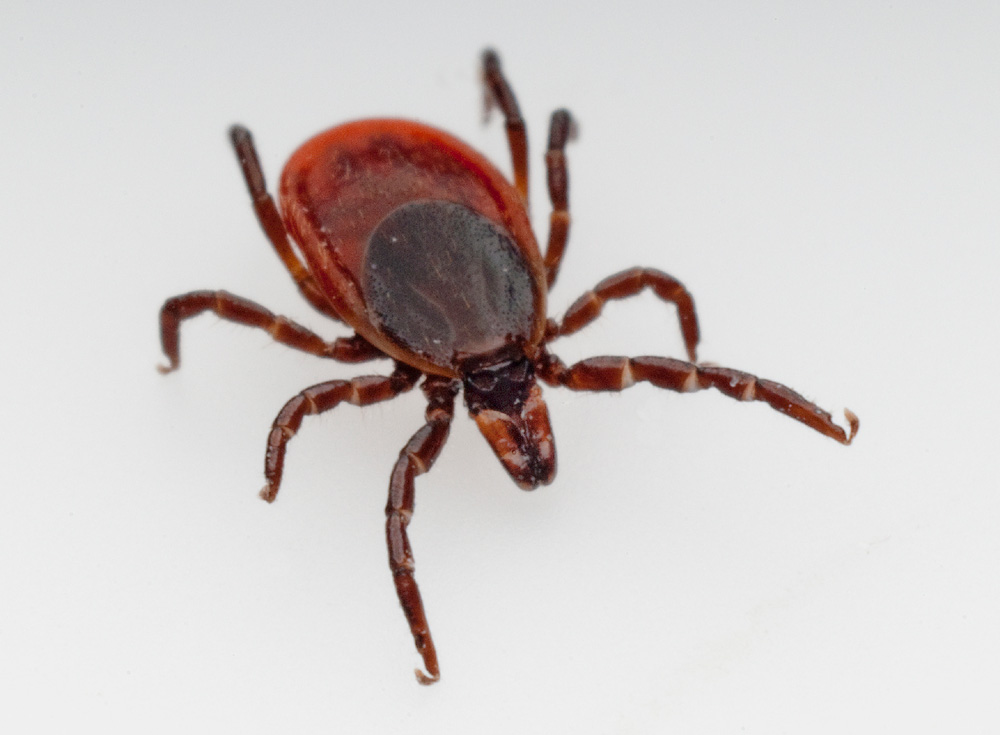
    Ticks are commonly found in tall grass, wooded areas, shrubs, and overgrown yards. They can attach themselves to pets, wildlife, and humans. Ticks are known to carry diseases such as Lyme disease, Rocky Mountain spotted fever, and ehrlichiosis.

    Common Signs of Fleas and Ticks

    Recognizing the signs of a flea or tick problem early can help you avoid a larger infestation.

    Signs of fleas may include:

    • Pets scratching or biting at their skin
    • Flea dirt in your pet’s fur
    • Small jumping insects in carpets or upholstery
    • Red, itchy bites around your ankles or legs

    Signs of ticks may include:

    • Ticks attached to your pet’s skin
    • Pets frequently scratching around their ears or neck
    • Ticks found in tall grass or around your yard
    • Family members finding ticks on clothing or skin after spending time outside

    Where Fleas and Ticks Hide

    Fleas and ticks thrive in areas that provide moisture, shade, and access to hosts.

    Common hiding spots include:

    • Pet bedding and sleeping areas
    • Carpets, rugs, and upholstered furniture
    • Tall grass and weeds
    • Leaf piles and mulch beds
    • Bushes, shrubs, and wooded areas
    • Under decks, sheds, and porches

    If you have pets that spend time outdoors, your home and yard may be at greater risk for flea and tick infestations.

    cat with fleas

    How to Prevent Fleas and Ticks

    There are several ways homeowners can reduce the risk of fleas and ticks around their property.

    Keep your lawn mowed and trim overgrown shrubs regularly. Remove leaf piles, brush, and debris where ticks may hide. Wash pet bedding often and vacuum carpets and furniture regularly to help eliminate flea eggs and larvae.

    It is also important to use veterinarian-approved flea and tick prevention products on your pets. Regular grooming and checking pets for ticks after spending time outdoors can also help prevent infestations.

    Even with preventive steps, fleas and ticks can still become a problem, especially during warmer months.

    Professional Flea and Tick Control

    DIY sprays and over-the-counter treatments may only provide temporary relief. Fleas and ticks often hide in hard-to-reach places, making it difficult to fully eliminate them without professional help.

    Professional flea and tick control services can target both the pests you see and the pests you do not see. At Bug Busters Pest Control, we use proven treatment methods to help eliminate fleas and ticks from your home, yard, and surrounding property.

    Our team can inspect your property, identify problem areas, and create a treatment plan designed for your needs. We focus on long-term prevention so you can enjoy your yard and protect your pets with confidence.

    tick on hand

    Contact Bug Busters Pest Control Today

    If you are dealing with fleas or ticks around your home, do not wait for the problem to get worse. Early treatment can help stop an infestation before it spreads.

    Contact Bug Busters Pest Control today to schedule a flea and tick inspection and learn more about our pest control solutions for your home and yard.


  7. A Guide to Maintaining Pest-Free Homes: Good Habits and Techniques

    Maintaining a pest-free home isn’t just about cleanliness; it’s a comprehensive approach that involves adopting good habits and employing effective techniques. From tiny ants to pesky rodents, pests can infiltrate our homes, causing annoyance, damage, and even health risks. But fret not! With the right practices and strategies, you can keep pests at bay and ensure a comfortable living environment for you and your family.

    pest control habits and maintenance

    Seal Entry Points:

    Pests often find their way into homes through small cracks and gaps. Regularly inspect your home for potential entry points, including gaps around doors and windows, utility penetrations, and vents. Seal these openings using caulk, weatherstripping, or mesh screens to prevent pests from sneaking in.

    Maintain Cleanliness:

    One of the most effective ways to deter pests is to keep your home clean and tidy. Regularly sweep, vacuum, and mop floors to remove crumbs and spills that can attract pests like ants and cockroaches. Store food in airtight containers, promptly clean up spills, and take out the trash regularly to avoid providing a food source for pests.

    Declutter:

    Pests love clutter as it provides them with hiding places and nesting sites. Keep clutter to a minimum by regularly decluttering closets, basements, and attics. Dispose of or properly store items that you no longer need, and avoid accumulating piles of newspapers, magazines, or cardboard boxes that pests can use as shelter.

    Proper Food Storage:

    Store food items properly to prevent attracting pests into your home. Keep pantry staples like grains, cereals, and flour in sealed containers made of glass or plastic. Additionally, avoid leaving pet food out overnight, as it can attract rodents and insects. Clean up pet food spills promptly and store pet food in sealed containers.

    Regular Maintenance:

    Regular maintenance of your home’s exterior can help prevent pests from gaining access. Trim back bushes and trees that are in close proximity to your home, as branches can serve as bridges for pests like rodents and ants. Keep gutters clean and free of debris to prevent moisture buildup, which can attract pests like mosquitoes and termites.

    Proper Waste Management:

    Dispose of garbage properly to avoid attracting pests like flies, rodents, and cockroaches. Use tightly sealed trash cans both indoors and outdoors, and clean them regularly to remove food residue and odors. Consider using trash cans with lids that lock to prevent pests from accessing the contents.

    Implement Natural Pest Control Methods:

    There are several natural remedies and deterrents that can help keep pests under control without resorting to harsh chemicals. For example, planting mint, lavender, or marigolds around your home can repel insects like mosquitoes and flies. Diatomaceous earth can be sprinkled in areas where insects are present to dehydrate and kill them.

    Pest-Proofing:

    Invest in pest-proofing measures such as installing door sweeps and screens on windows to prevent pests from entering your home. Seal gaps around pipes, cables, and vents with metal mesh or foam insulation to deny pests entry points. Consider installing mesh screens over vents and chimney openings to prevent birds, bats, and rodents from entering.

    Regular Inspections:

    Schedule regular inspections of your home to detect any signs of pest activity early on. Look for droppings, gnaw marks, chewed wires, and other indications of pests. If you suspect a pest infestation, take immediate action to address the problem before it escalates.

    Seek Professional Help When Needed:

    Despite your best efforts, pest infestations can sometimes occur. In such cases, don’t hesitate to seek professional help from pest control experts. Professional pest control services can accurately identify the type of pest infesting your home and implement targeted treatment strategies to eradicate the problem safely and effectively.

    Maintaining a pest-free home requires a proactive approach that combines good habits, effective techniques, and occasional professional assistance. By following the tips outlined in this guide, you can create an environment that is inhospitable to pests and enjoy a comfortable, pest-free living space for years to come. Remember, prevention is key, so start implementing these practices today to keep pests under control in your home.


  8. Controlling Ants and Roaches in Corpus Christi

    Have you ever been too embarrassed to invite people over to your house because of an ant or roach problem that won’t go away? If so, then you’re not alone. There’s a fairly large number of people who struggle with the same issues of ant and roach control. Unfortunately, the peak season for roaches and other insects is coming. The hot and humid months of summer are when roach and ant populations can plague South Texas homes. As temperatures continue to rise, more people around the Coastal Bend will have to deal with pest control problems in their homes (which will cause high levels of anxiety and embarrassment).

    dead cockroaches on wood

    Tips for Controlling Ants and Roaches

    When it comes to roach and ant control, you have one weapon at your disposal. There are many types of baits, gels, and strips with a lethal ant and roach killer that’s disguised as a sweet, carbohydrate-rich food source. When they consume it, the delayed action of the poison gives them time to take it back to their colony (where it can spread). With this kind of “domino effect,” it can even kill the queen.

    Here are some other strategies you can implement to take your ant and roach control methods to another level:

    • Sweep you kitchen and bathroom floors at least once a day, and vacuum your carpet on a regular basis to pick up any food crumbs that can attract ants and roaches.
    • Promptly and properly dispose of any trash in your house, because food left in a garbage can will attract ants and roaches.
    • Never leave dirty dishes in the sink overnight. They should be cleaned and put away before you go to bed. Even a few dirty plates left out overnight will attract ants and roaches.
    • Store any dry foods (such as unused pasta and rice) in tightly sealed containers. Grain and flour products that are left unused will act like proverbial magnets for insects.
    • Remove brush and leaf piles around your home to keep insects from building nests and colonies. A landscape that isn’t well-maintained is an ideal habitat for pests.
    • Repair leaky faucets to keep any standing pools of water inside or outside your home. Moisture attracts roaches, ants, and other insects. So, it’s important to eliminate any sources of water around your home.

    If you have a problem with ants and roaches that won’t go away, Bug Busters Pest Control is here to help. We’re one of the best places for pest control in Corpus Christi, especially when home remedies and DIY methods don’t seem to work. A bug infestation can not only affect your happiness and peace of mind but can also be harmful to your health. That’s why you need to get it taken care of as soon as possible.

    If you’re ready to get rid of your ant and roach problem for good, be sure to get in touch with us. We would be happy to speak with you about your specific needs.


  9. Tips On Controlling Infestations

    How to Control an Infestation of Fleas

    Because the early signs of a flea infestation can be somewhat elusive, you should contact a pest control professional for further assistance. Using over-the-counter products won’t take care of the root cause of the infestation. If you’re looking for a place that can provide quality pest control in Corpus Christi, Bug Busters Pest Control has an experienced team that can help you. Feel free to get in touch with us, so you can find out why we’re one of the best choices for Corpus Christi pest control.

    How to Control the Spread of Ticks

    To control the spread of ticks in and around your home, you can do the following:

    • Keep your grass mowed and your trees trimmed.
    • Move piles of wood away from your home.
    • Keep your pets away from thickly-wooded areas where tick activity is high.
    • Move swing sets, sandboxes, and other play areas away from wooded areas.
    • Wear long sleeves and pants when you’re walking in wooded or grassy areas.
    • Wash your clothes immediately after you have come inside.
    • Regularly inspect your pets and kids for ticks.

    How to Control an Infestation of Fire Ants

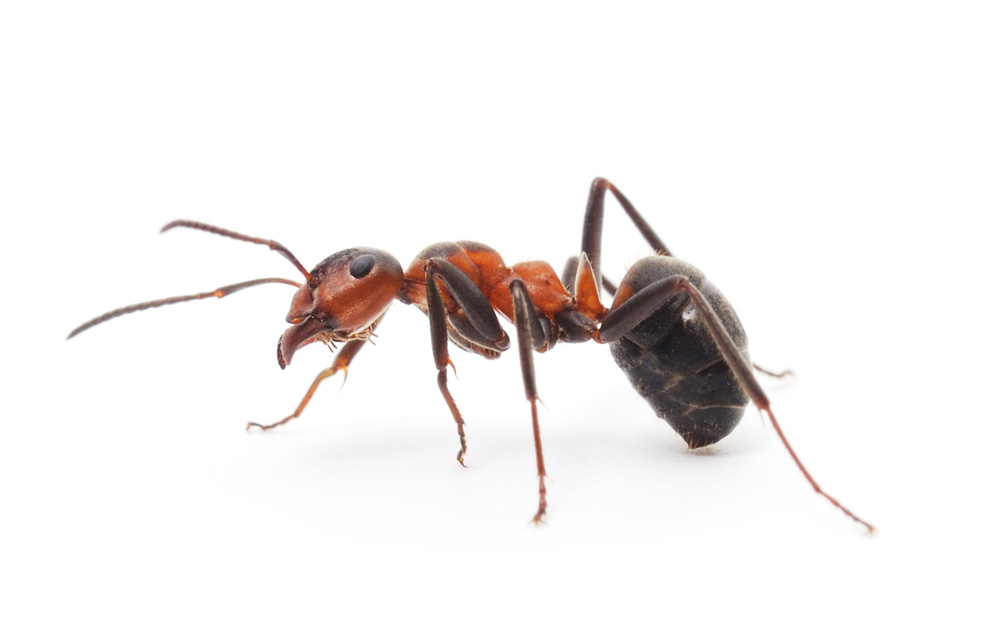
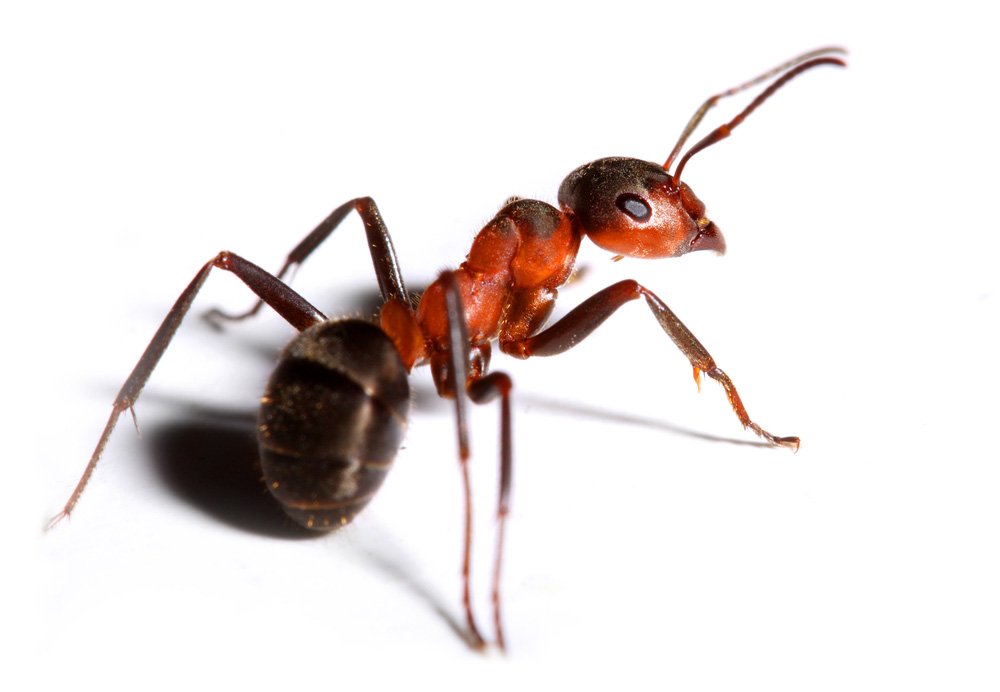
    Fire ants can be hard to control for several reasons. Not only can colonies be very large, but they can also go deep underground. They can have multiple queens. So if only part of the colony and a queen or two have been killed, they can recover. They also congregate in large numbers, which makes it more likely that another colony will form after one has been eliminated. Because fire ants can be dangerous to humans and their pets, you should get the help of a professional for these types of infestations. If you’re looking for a place that does pest control in Corpus Christi, Bug Busters Pest Control has an experienced team that can help you.

    If you still need help

    We can work in all areas of Corpus Christi. So no matter where you are in the Coastal Bend, we can help you with all your pest control needs. Not only can we keep your infestations from getting out of control, but we can also do it for you at a reasonable price. We have a knowledgeable crew with the experience to handle any type of infestation, so you can have the peace of mind in knowing that your home is free of unwanted critters. That’s why we’re one of the best choices for pest control in Corpus Christi. If you’re ready to take care your home’s infestation, feel free to get in touch with us. We would be happy to take care of all your pest control needs!


  10. Behavior of American Roaches

    American cockroaches are considered to be largest of all the house-infesting roaches in the country. The males are very sensitive to the pheromones produced by females (called “periplanone-B”), which makes them committed to increasing their population. Females can produce sacks of up to 16 eggs after they have mated. But even without mating, females can continue to produce egg sacks (called “oothecae”) from sperm that has been saved.

    Under ideal conditions female American roaches can produce one egg sack every six days, but they have the ability to produce up to two in one week. To protect their young, females will glue their egg sacks in enclosed areas that can serve as “hiding spots,” which they will try to camouflage by scraping up paint and cardboard they can use as cover. A female American roach will produce an average of 6-14 egg sacks in her lifetime, which is about one year. But in ideal conditions (such as in a laboratory), she can lay up to 22 egg sacks. This can produce up to 336 nymphs. Once they’re ready to break free, they can make a synchronized effort to make their way out of the sack.

    Cockroach Invasion

    Like others of their kind, American roaches will eat anything for their next meal. Foods, feces, and everything in between can be eaten by roaches. Anything that they eat or walk across can become infected by the bacteria they carry, and you may not know it has been there. That’s why you need to thoroughly clean surfaces and keep food covered. They prefer to live in areas where there’s an ample supply of food and water. They also spend a great deal of time outdoors. They communicate with each other through the use of pheromones that help them decide which areas are best for settling in.

    American cockroaches are known to settle in families, and it’s not uncommon for many generations to live in the same area. They prefer to live in environments that are above 70 degrees. In spite of their name, American roaches can be found all over the world. When they venture indoors, you can find them in crawlspaces. But they can be found in any of the following places:

    • Wood piles
    • Dead logs
    • Hollowed-out trees

    You can find them in many outdoor areas, especially in Southern states. Be sure to speak to a qualified professional for more information about the behavior of American roaches.


    Roaches can be quite difficult

    We can work in all areas of Corpus Christi. So no matter where you are in the Coastal Bend, we can help you with all your pest control needs. Not only can we keep your infestations from getting out of control, but we can also do it for you at a reasonable price. We have a knowledgeable crew with the experience to handle any type of infestation, so you can have the peace of mind in knowing that your home is free of unwanted critters. That’s why we’re one of the best choices for pest control in Corpus Christi. If you’re ready to take care your home’s infestation, feel free to get in touch with us. We would be happy to take care of all your pest control needs!


Bug Busters
Pest Control
3406 Maui Dr
Corpus Christi, TX 78418
(361) 533-0748

Mail to:
PO Box 8412
Corpus Christi, TX 78468
credit card logos

Checks & Cash

Licensed To Kill Bugs
Bug Busters © 2023